What Most Homeowners Wish They Knew Before Starting a Remodel in Minnesota
Thinking about remodeling your Minnesota home? Learn what most homeowners wish they knew before starting, from timing and permits to budgeting and...
Remodel your Minnesota home in stages with less stress. Learn smart sequencing, budgeting tips, and how to improve comfort and value over time.
Highlights:
A complete remodel sounds excellent in theory until real life sets in. Busy schedules, children, pets, work-from-home routines, and Minnesota winters can make a one-and-done renovation feel overwhelming. That is precisely why remodeling in stages in Minnesota is becoming such a popular approach for homeowners who want real improvements without turning their home upside down.
Phased remodeling is not about settling. It is about sequencing. You pick the right projects in the proper order, plan for what comes next, and make each phase feel intentional. Done well, a remodel in phases can improve comfort quickly, protect long-term value, and keep your home livable throughout the process.
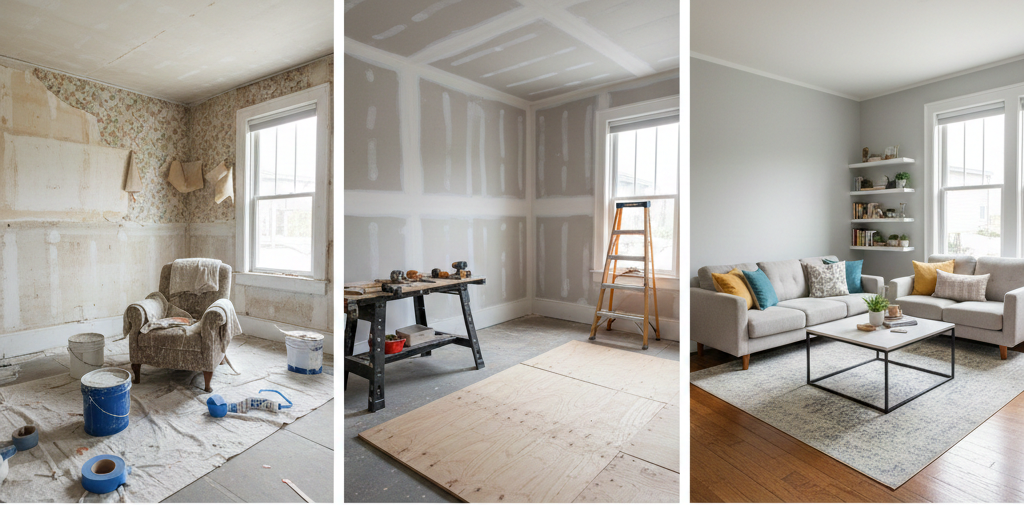
Minnesota homes often have a mix of needs, older layouts, seasonal wear, and climate-related challenges like humidity swings and freeze-thaw cycles. A phased plan lets you prioritize what matters most now, while still building toward a complete vision.
It also helps with timing. Outdoor projects often work best in the warmer months, while many interior projects are easier to plan during winter, when families are home more and schedules are more predictable.
If you are not sure where to begin, think in terms of daily friction. What causes the most frustration or inconvenience right now, and what would make your home feel easier to live in?
Although every project is unique, this general order has helped many local homeowners in the Twin Cities balance comfort, timing, and long-term goals.
Before choosing finishes, build a realistic budget and include a contingency. Older homes can hide surprises behind walls and under floors, and a brilliant plan accounts for that. This is where many staged remodels either stay calm or start to feel stressed. If budgeting is top of mind, our guide can help you map out costs and priorities: Home Remodeling Budget in MN: How to Set a Realistic Budget for Your Minnesota Remodel.
Kitchens influence how the whole home functions. If your current layout is closed off or short on storage, updating the kitchen early can improve daily life immediately. Even minor kitchen changes can deliver big wins as you plan the next phases.
If resale value is part of your planning, this ROI guide provides some context for prioritizing projects in Minnesota.
Bathrooms are small, but they significantly affect comfort in cold climates. When remodeling bathrooms as part of a phased remodel, pay close attention to moisture control, ventilation coordination, and durable finishes. Ventilation and moisture guidance are critical for long-term performance, and the Minnesota Attorney General’s consumer handbook specifically encourages homeowners to emphasize code compliance and a clear scope when planning projects.
If you want a deeper dive into bathroom ventilation decisions, here is a helpful related read.
Want a phased plan that fits your home, your budget, and your schedule?
Get a fast quote.jpg?width=216&height=162&name=realistic%20blog%20photo%20for%20keyword_%20home%20remodeling%20in%20stages%20(2).jpg) Phase 4: Basement Finishing for Real Everyday Space
Phase 4: Basement Finishing for Real Everyday SpaceFinished basements are a Minnesota advantage. They provide space for family gatherings, home offices, workout spaces, or guest areas during long winters. A staged approach helps you plan egress, moisture protection, and layout early, so you do not have to redo the work later.
If you are in the early planning stage, this checklist-style post helps homeowners identify common readiness issues before they start: Is Your Basement Ready for a Makeover? 5 Questions to Ask Yourself.
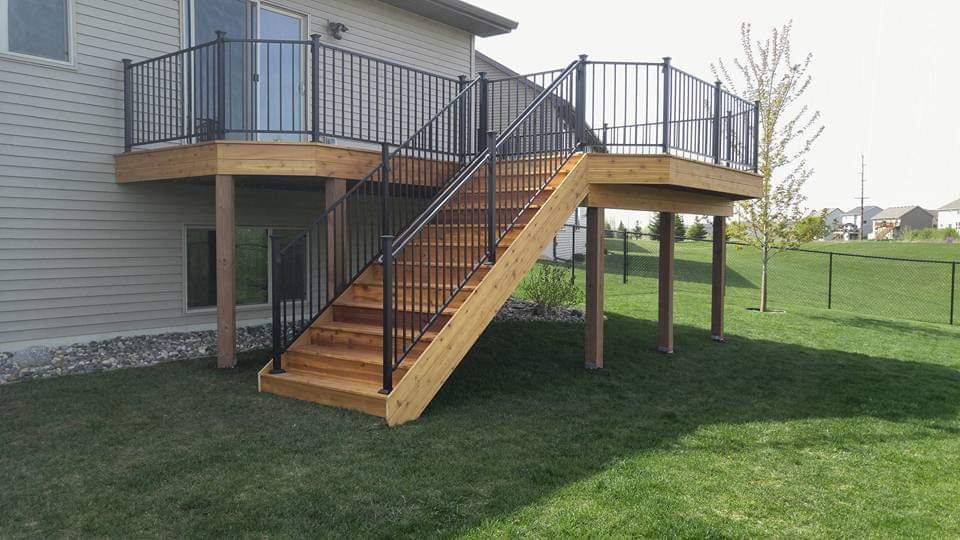
For many families, the deck is an extension of the home. Planning this phase with Minnesota timing in mind can help reduce weather delays and improve long-term durability. If you are deciding between resurfacing, repairs, or a new build, it helps to talk through layout, material choices, and how you want to use the space.
Interior trim work is often the phase that ties everything together. Updating doors, casing, baseboards, and finishing details can make a home feel cohesive, especially after you have completed kitchens, bathrooms, or basement updates. It is also a smart way to refresh the home without significant disruption, which is why many homeowners choose it as a later phase.
This is also where workmanship really shows, clean reveals, smooth transitions, and details that make each space feel intentional.
One of the most significant benefits of remodeling in stages in Minnesota is that you can make today’s work turn into tomorrow’s success. That might mean confirming door swings and hallway clearances, choosing consistent trim profiles, planning transitions between flooring types, or leaving room for future built-ins.
It also means hiring the right professional. Minnesota’s Department of Labor and Industry explains who needs a residential remodeler or building contractor license, and why licensing helps protect homeowners.
The most common feedback we receive is relief. Homeowners want meaningful improvements now without feeling pressured to make every decision at once. A staged plan also gives you breathing room to live in the improvements and learn what you want next. If you want help choosing the right pro for each phase, this post is a solid starting point.
Ready to build a phased remodeling plan that fits your life?
Talk to a licensed carpenterIt means completing your remodel in planned phases, using a brilliant sequence and shared design decisions so the home feels cohesive when complete.
It depends. Some homeowners spend a little more due to repeated mobilization and separate permitting steps. Many save money by avoiding rushed decisions, preventing rework, and keeping priorities clear.
Start with the biggest daily-life improvements, usually kitchens, bathrooms, or basement usability. A licensed carpenter can help you choose the best sequence for your home and schedule.
Choose repeatable elements like trim profile, door style, and a flexible base palette early, then document those decisions so future phases match without guesswork.
No. We focus on carpentry and remodeling coordination. Licensed professionals should complete plumbing and electrical work, and we coordinate so everything comes together cleanly.
Thinking about remodeling your Minnesota home? Learn what most homeowners wish they knew before starting, from timing and permits to budgeting and...
Avoid the most common remodeling mistakes MN homeowners make. Learn how to plan smarter, budget better, and prevent costly renovation regrets
Accessible shower design for Minnesota homes. Learn how comfort, safety, and long-term planning come together in modern bathrooms.