Durable Kitchen Materials for Minnesota Homes: Build a Kitchen That Lasts
Discover the most durable kitchen materials for Minnesota homes. From quartz countertops to LVP flooring, learn how to design a kitchen that handles...
Discover deck upgrades that enhance outdoor living in Minnesota. Practical ideas for layout, comfort, and long-lasting performance.
Highlights:
A good Minnesota deck does more than hold a grill and a few chairs. It becomes a second living room in summer, a place to watch fall colors, and the first spot you shovel when you want to get outside after a long winter. The challenge is that many decks were built as simple rectangles without much thought about how families actually use the space.
The right upgrades can change that. With thoughtful carpentry updates, you can improve traffic flow, add usable seating, create shade, and make your deck safer and more comfortable through all four seasons. At Home Visions Carpentry, we help Minneapolis and Twin Cities homeowners turn basic decks into flexible outdoor spaces that fit real life, not just a blueprint.
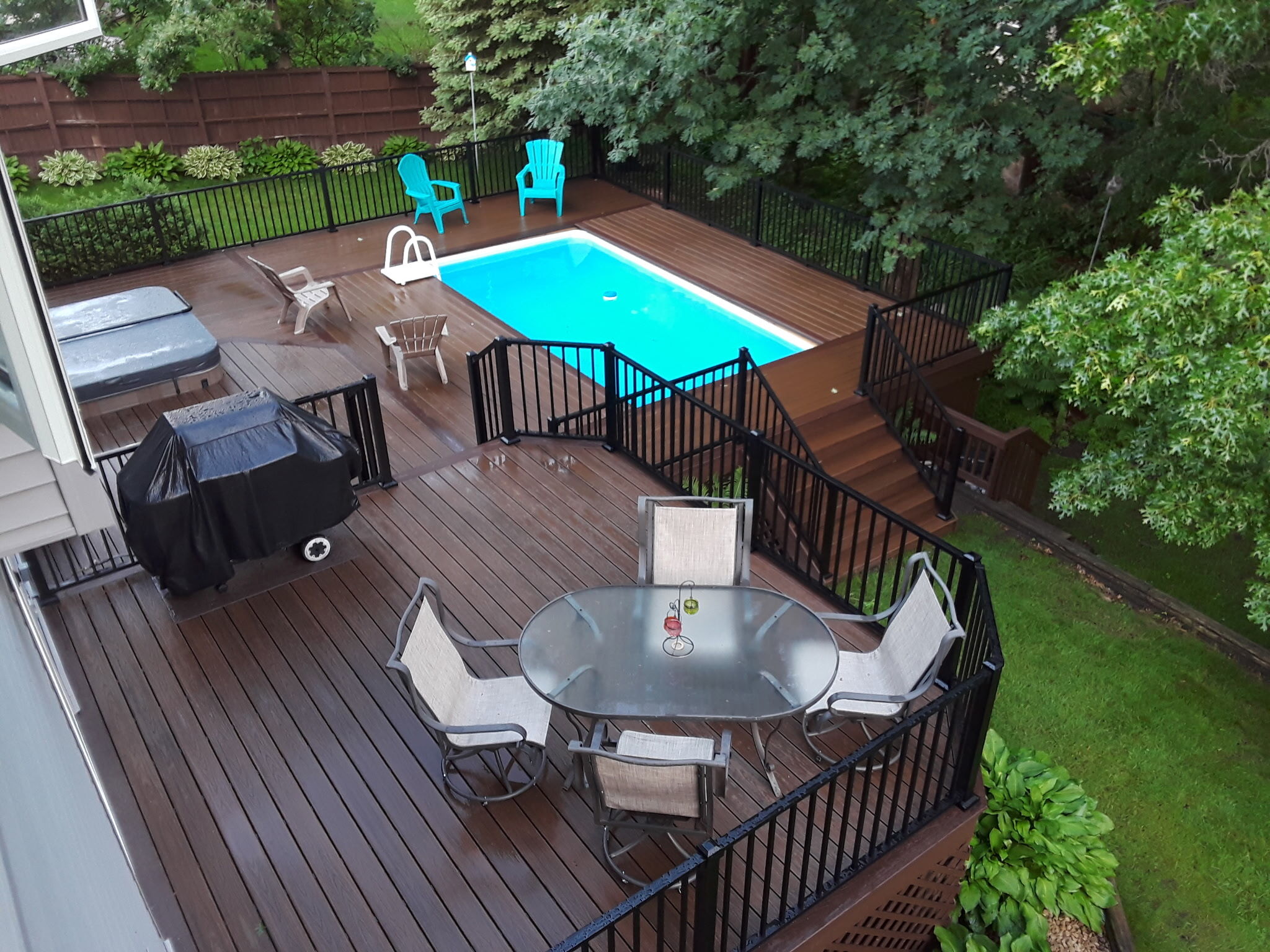
Every family uses their deck differently. Some need space for a dining table and a grill. Others want a quiet coffee corner and a safe area for kids. We start by asking simple questions: Where do you naturally walk in and out of the house? Where does the sun hit in the late afternoon? Which areas feel cramped or unused?
From there, small layout changes can have a big impact. Adding a landing to break up stairs, widening a step to double as casual seating, or adjusting railing and openings to improve views all help your deck feel more intentional. On many Minnesota homes, rethinking a tight corner or unused span of railing can unlock a more comfortable everyday layout without increasing the deck footprint.
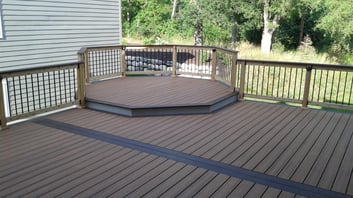 Create Zones for Dining, Lounging, and Play
One of the most effective upgrades is to define clear zones. A simple change like adding a built-in bench along one side of the deck immediately creates a conversation or lounging area. Shifting the stairs or moving a rail opening can separate a grill or dining zone from a play zone, so everyone does not cross paths in the same tight area.
In Minnesota, it also helps to think about how you move through the space when there is snow on the ground or when you are tracking in boots. We often adjust layouts to ensure a clear path from the door to the yard, with railings and posts to guide traffic and reduce bottlenecks at doors and steps. These are small carpentry changes that make the deck feel more usable year-round, not just on perfect summer days.
Built-in benches, storage boxes, and low walls with caps can do double duty as seating and visual boundaries. They help control furniture clutter, especially on smaller decks in Minneapolis or Saint Paul, where every square foot matters. We can frame and finish built-ins to match the deck material, whether you have composite boards or natural wood.
Storage benches are especially helpful for stashing cushions, kids’ toys, or outdoor accessories between uses. In our climate, having a place to tuck things away quickly before a storm or early snowfall keeps the space tidier and extends the life of your furniture and accessories.
Many homeowners wonder whether to invest in composite decking, replace select boards, or keep a wood deck in good condition. Each option has a place, and the right choice depends on how you use your deck and how much maintenance you want to take on.
Composite decking offers excellent durability and low maintenance, and modern products hold up well to Minnesota’s freeze-thaw cycles when installed correctly. For homeowners who want less scraping and refinishing, upgrading to composite during a resurfacing project can be a smart move. For those who love the look and feel of wood, pressure-treated lumber or cedar can perform well when paired with breathable finishes that allow moisture to escape, which the University of Minnesota Extension notes is especially important for outdoor wood in cold climates.
We regularly help homeowners evaluate whether their existing frame can support a resurfacing project, or whether a complete rebuild makes more sense based on age, condition, and local building requirements. The goal is always the same: a deck that feels solid underfoot and holds up to Minnesota winters.
Are you thinking about upgrading your deck instead of starting from scratch?
Get a fast quote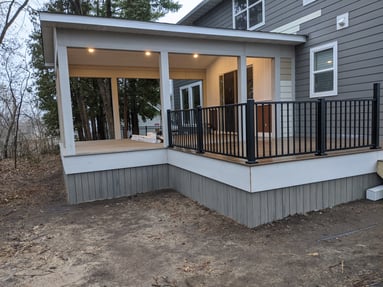 Wind Protection
Comfort is what turns a deck into an actual outdoor room. Simple carpentry features such as privacy screens, partial walls, pergola framing, or higher rail sections can block wind and views where needed while still letting in plenty of light. These upgrades are handy on exposed lots in suburbs like Maple Grove, Elk River, or St. Michael.
Shade structures can be built to support umbrellas, retractable awnings, or pergola-style beams, providing flexible protection from peak sun. If you plan to add lighting, a licensed electrician should handle the wiring and fixtures, but careful carpentry framing lays the groundwork. Hence, everything looks clean, safe, and intentional once installed.
How you enter and exit a deck plays a major role in how safe and comfortable the space feels. If stairs are too narrow, railings feel loose, or a long run of steps drops down too steeply, the deck can feel less welcoming for kids, guests, and older family members. Upgrades like widening stair treads, adding a mid landing, or repositioning the stairs to improve traffic flow can make a noticeable difference in everyday use.
We also evaluate railing height, baluster spacing, and attachment methods to ensure everything meets Minnesota residential code and local city requirements. The City of Minneapolis provides clear deck guidelines and safety expectations for homeowners and builders.
Beyond local code, national resources like the North American Deck and Railing Association offer best practices for safe deck construction and long-term durability:
By following both Minnesota-specific guidelines and these nationally recognized safety standards, we help ensure your stairs, railings, and access points feel solid underfoot and continue performing well through Minnesota’s changing seasons.
Not every older deck needs to be torn down. In many cases, the framing is still sound, but the surface boards, fascia, and steps are tired or difficult to maintain. Resurfacing with composite decking or new wood boards can give the structure a second life while improving safety and appearance.
We inspect the frame, footings, and connections first, then recommend whether repairs, reinforcement, or full replacement is appropriate. When resurfacing is a good fit, we also address details like fascia trim, stair geometry, and door transitions so everything looks cohesive and works well with your siding, landscaping, and overall home style.
Deck upgrades might look simple on the surface, but they involve structural loads, local code requirements, and Minnesota-specific climate considerations. A licensed carpenter understands how wood and composite materials behave through freeze-thaw cycles, how to tie new elements into an existing frame, and when it is time to recommend a deeper repair rather than a cosmetic fix.
Home Visions Carpentry partners with homeowners across Minneapolis, Saint Paul, and the northwest suburbs to evaluate existing decks, recommend practical upgrades, and build outdoor spaces that feel easy to use every day. Our goal is to help you enjoy your deck more, not just for one summer, but for many seasons to come.
Are you ready to turn your deck into a more comfortable, usable outdoor space?
Talk to a licensed carpenterNot always. Many Minnesota decks benefit from targeted upgrades such as resurfacing, added seating, layout tweaks, or stair and railing improvements. A licensed deck carpenter can tell you if your frame is worth keeping or if a complete rebuild is the better long-term choice.
Both can work well when properly designed and installed. Composite offers low maintenance and a consistent appearance. Wood offers a classic look and can perform well with breathable finishes and regular care. The best option depends on your budget, maintenance preferences, and deck age.
In many cases, yes. We can often integrate benches, planters, or privacy panels into an existing structure, provided the framing is sound and properly connected. These features can make the deck feel more like an outdoor room without starting from scratch.
Structural changes, major stair rework, or significant expansions often require permits, and local rules can vary by city. We help homeowners understand when permits are needed and design upgrades that align with Minnesota and local building requirements.
Home Visions Carpentry focuses on the carpentry and structural side of your project. We can frame and prepare for lighting locations, but all electrical work should be completed by a licensed electrician. We are happy to coordinate our work so everything comes together cleanly.
Discover the most durable kitchen materials for Minnesota homes. From quartz countertops to LVP flooring, learn how to design a kitchen that handles...
Discover why kitchen layout design still matters in 2025. Twin Cities experts Home Visions Carpentry deliver efficient, budget-smart remodels.
See how interior trim and finish carpentry transform Minnesota homes with warmth, character, and craftsmanship that lasts through every season