Common Basement Finishing Mistakes (And How We Help You Avoid Them)
Avoid common basement remodeling mistakes with expert guidance from Home Visions Carpentry. Discover what Twin Cities homeowners should know before...
Basement wet bar vs kitchenette in Minnesota homes. Compare costs, permits, plumbing, and what works best for finished basements.
Finishing a basement is one of the most popular remodeling projects in Minnesota, and homeowners often debate whether a wet bar or a full kitchenette makes more sense. While the two sound similar, they have very different requirements for plumbing, electrical work, permits, and long-term use.
Understanding the difference upfront can help you avoid costly changes later.
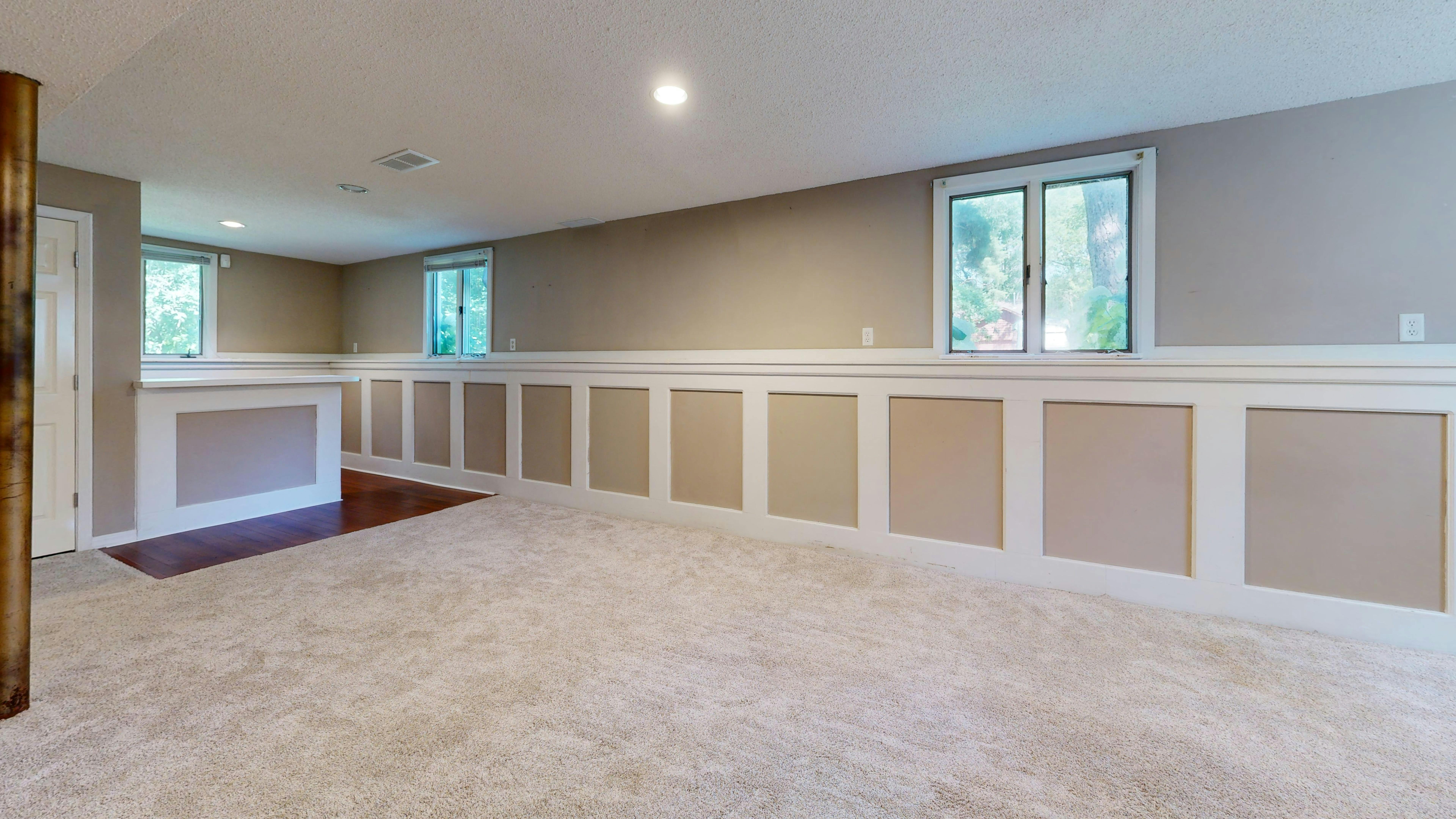
A basement wet bar typically includes a sink, countertop, cabinetry, and space for a beverage refrigerator. It is designed for entertaining rather than meal preparation.
Because wet bars usually do not include cooking appliances, they often fall under fewer code requirements than kitchenettes. This can simplify both design and permitting in Minnesota basements.
A kitchenette goes beyond a wet bar by including appliances such as a cooktop, microwave, or oven. In Minnesota, the presence of cooking equipment changes how the .jpg?width=360&height=270&name=kitchenette%20in%20basement%20(1).jpg) space is classified.
space is classified.
Kitchenettes typically require additional electrical circuits, ventilation planning, and closer inspection during the permitting process. In some cities, they may also raise zoning or dwelling unit questions.
Basement plumbing is heavily influenced by elevation and existing drain lines. Many Minnesota homes require ejector pumps or up-flush systems to handle basement sinks and appliances.
Adding multiple fixtures or cooking appliances increases complexity and cost. Wet bars usually require less plumbing infrastructure than kitchenettes. Be sure to talk with your plumbing expert about the various licensing and regulations required in Minnesota.
Electrical requirements are another key difference. Kitchenettes often require dedicated circuits for appliances, GFCI protection, and, in some cases, AFCI upgrades, depending on the scope of work.
Wet bars typically require less electrical load, which can be beneficial in older Minnesota homes with limited panel capacity. Your licensed electrician can determine whether your home has sufficient panel capacity or what modifications to your current panel are needed to support an upgrade, such as a wet bar or kitchenette.
Both wet bars and kitchenettes require permits in most Minnesota cities, but kitchenettes usually involve more inspections. These may include plumbing, electrical, and final inspections.
Local enforcement varies across the Twin Cities metro. Checking requirements early helps avoid delays. Home Visions Carpentry will assist with obtaining the required building permits and scheduling the necessary building inspections for your new basement living space.
Wet bars serve as a sophisticated focal point for entertaining, offering high appeal to buyers without the legal red tape associated with accessory dwelling units (ADUs). Because they lack major cooking appliances such as a stove or range, they typically don't trigger restrictive zoning audits or concerns about unauthorized rental use. In contrast, kitchenettes offer significantly more flexibility for multi-generational living or long-term guests, but their presence can complicate a future resale. Appraisers or city inspectors may flag a kitchenette as a "second dwelling," which could lead to higher property tax assessments or require specific permits to demonstrate that the space isn't an illegal apartment.
For Minnesota homeowners focused on a "staged" remodeling approach, particularly those planning to age in place or host frequent social gatherings, wet bars often strike the ideal balance. They provide the necessary utility for refreshments and easy cleanup without the logistical headaches or the "permitting creep" that often accompanies full-service kitchen installations in a basement or secondary suite.

Deciding between a wet bar and a kitchenette isn't just about aesthetics—it’s a strategic investment in your home’s footprint. The "right" choice hinges on three critical factors: lifestyle intent, utility infrastructure, and your long-term residency goals.
While wet bars are the "low-friction" favorite for Minnesota basements—requiring minimal plumbing and no specialized venting—kitchenettes offer a high-utility solution for those looking to create a semi-independent living suite. However, the latter demands a deeper look at your home’s existing "bones." Adding a kitchenette often requires navigating local Minnesota egress requirements and electrical upgrades to support additional appliances.
To help you decide, consider these three pillars of home remodeling:
Usage Profile: Are you hosting Vikings watch parties (Wet Bar), or is your college student moving back into the lower level (Kitchenette)?
Infrastructure & HVAC: Minnesota’s deep frost lines and basement configurations can make adding new drain lines or ventilation for a kitchenette more costly than a simple wet bar tie-in.
Market Longevity: If you plan to sell within 5 years, a wet bar offers a "lifestyle" upgrade with universal appeal. If you’re staying for 10+ years, the functional flexibility of a kitchenette often outweighs the initial permitting hurdles.
The Expert Advantage: A professional assessment is non-negotiable. Beyond just design, an expert ensures your project complies with the Minnesota State Building Code, protecting you from future liability and ensuring your "staged" remodel adds genuine, documented value.

Yes, most wet bars require plumbing and building permits.
In some cities, cooking appliances can trigger zoning or ADU concerns.
Wet bars are typically less expensive due to simpler plumbing and electrical needs.
Avoid common basement remodeling mistakes with expert guidance from Home Visions Carpentry. Discover what Twin Cities homeowners should know before...
Remodeling your basement for rental income? Learn how to design a smart, compliant basement rental in MN—and how Home Visions Carpentry can help you...
Learn how to make your finished basement quiet and comfortable for any purpose. Discover effective basement soundproofing ideas to create a quiet,...