Understanding the Renovation Process: Start to Finish
Explore our step-by-step renovation process guide to learn what to expect from start to finish. From planning to final walkthroughs, we help...
Open concept or zoned living, Minnesota homeowners weigh comfort, heat control, and privacy before remodeling. Learn what works best here.
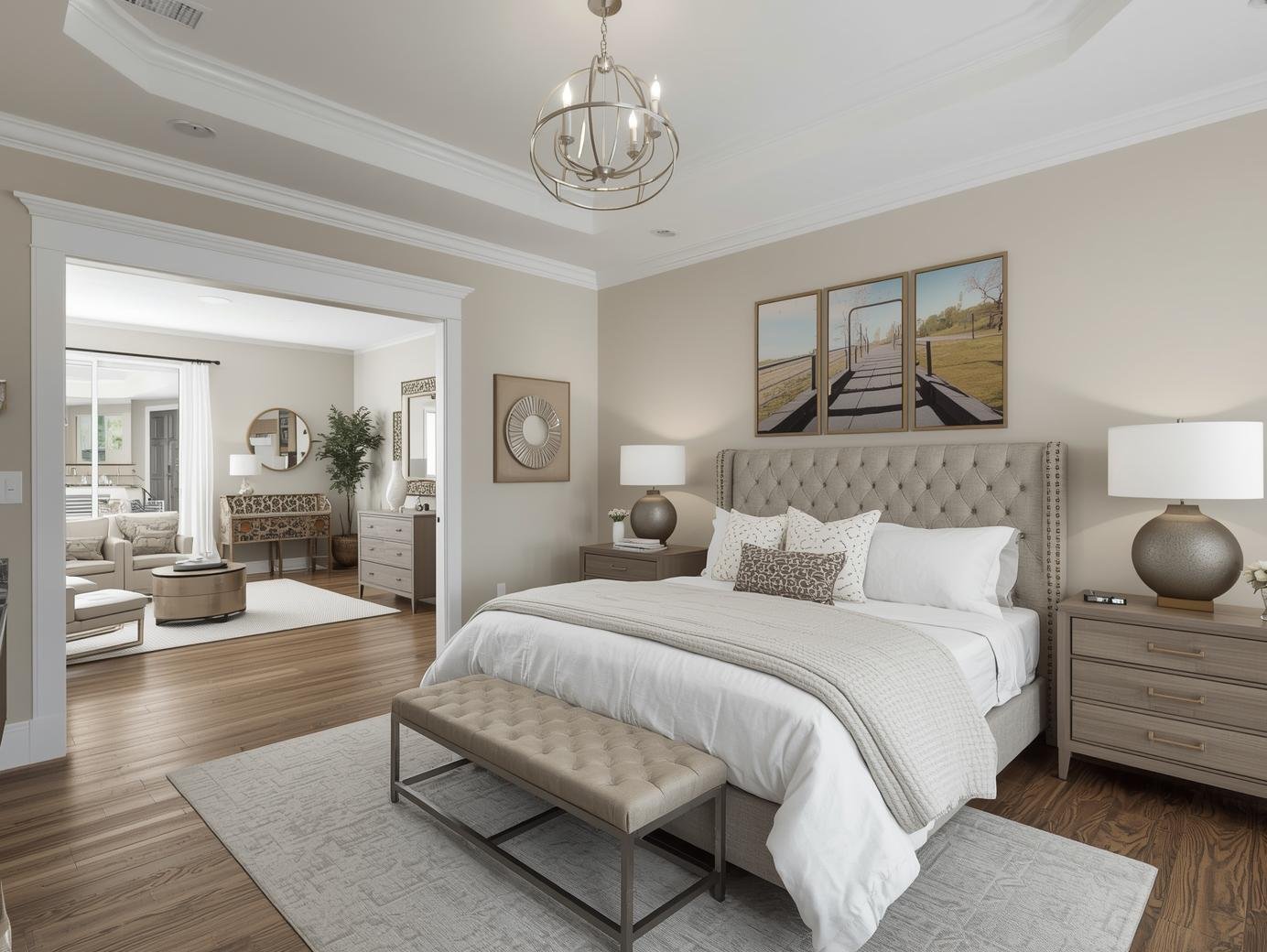
Open-concept floor plans have dominated remodeling trends for years, but many Minnesota homeowners are reconsidering whether wide-open layouts actually work in a cold climate. Zoned living designs are gaining attention for offering better comfort, privacy, and control during long winters.
If you are planning a remodel, understanding how open concept and zoned living perform in Minnesota homes can help you avoid costly regrets.
An open concept remodel removes walls between kitchens, dining rooms, and living areas to create a single shared space. This approach can improve sightlines, natural light, and the feeling of openness, especially in older Minnesota homes with chopped-up layouts.
Open layouts work well for entertaining and family interaction, but they also come with tradeoffs that become more noticeable during heating season.
Minnesota winters expose some weaknesses in open-concept designs. Large open spaces are more challenging to heat evenly, resulting in cold zones near windows and exterior walls.
Noise travels more easily through open spaces, which can be challenging for families working from home or managing different schedules. Storage can also become limited when walls are removed, requiring thoughtful planning to avoid clutter.
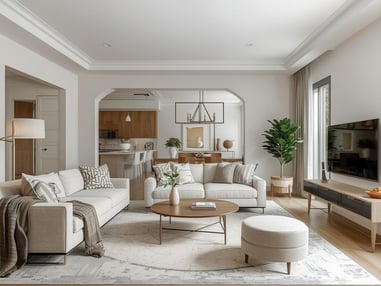 What Zoned Living Means for Minnesota Homes
Zoned living keeps defined spaces while still allowing for flow and connection. Partial walls, wide cased openings, pocket doors, or ceiling changes help separate rooms without making a home feel closed off.
This approach supports better heat distribution, improved acoustics, and greater privacy, all of which matter in Minnesota’s long heating season.
One of the most significant differences between open concept and zoned living in Minnesota homes is temperature control. Zoned layouts enable HVAC systems to operate more efficiently by reducing heat loss and improving airflow management.
Rooms can stay warmer with less energy use, especially when paired with proper insulation, window upgrades, and smart thermostat zoning.
Every Minnesota home is different. A licensed remodeler can help evaluate structure, heating, and lifestyle needs before walls come down.
Schedule your free home visit.Zoned living designs help control sound between spaces, which is increasingly important for remote work, homework, and multigenerational households. Bedrooms, offices, and quiet spaces benefit from separation without sacrificing overall flow.
Open concept homes often require additional sound treatments, furnishings, or built-ins to manage noise effectively.
Minnesota homes need storage for coats, boots, gear, and seasonal items. Zoned layouts make it easier to integrate closets, built-ins, and functional transitions like mudrooms.
Open-concept remodels can still work, but storage must be carefully integrated into islands, walls, or adjacent spaces to avoid clutter.
There is no one-size-fits-all answer. Open concept remodels suit some households and home styles, while zoned living offers comfort and control that many Minnesota homeowners prefer.
The right solution often blends both ideas, preserving openness where it helps and separation where it matters.
Not necessarily, but large open spaces can be more complex to heat evenly without proper HVAC design and insulation.
Yes. Partial walls, wide openings, and pocket doors can define spaces while keeping visual flow.
Zoned layouts can add some framing or finish costs, but they often improve long-term comfort and efficiency.
Consult a licensed Minnesota carpenter before choosing an open-concept or zoned layout for your remodel.
Request a free consultationExplore our step-by-step renovation process guide to learn what to expect from start to finish. From planning to final walkthroughs, we help...
Discover what goes into calculating home renovation cost in Minnesota, especially for Twin Cities homeowners. Learn key budget elements, local...
Planning an energy-efficient remodel in Minnesota? Discover the smartest upgrades to lower bills, improve comfort, and tap into local rebates — with...