How Long Does a Home Renovation Take? Your Twin Cities Master Timeline
Discover the average home renovation timeline for Twin Cities homeowners. Learn what to expect at every stage—from planning to final walkthrough—so...
Get your home ready for Minnesota winters with small carpentry upgrades that boost comfort, reduce drafts, and protect your home from seasonal wear.
Highlights:
Minnesota winters bring stunning scenery, but they also place severe demands on our homes. Cold air finds its way through tiny gaps around trim and doors, moisture builds where it should not, and outdoor structures face months of snow and ice. The good news is that many of these challenges are manageable with minor, targeted carpentry upgrades that make your home more comfortable and better protected for the season ahead.
At Home Visions Carpentry, we help homeowners stay ahead of winter by focusing on upgrades that make the most significant difference to daily comfort. These improvements tighten up your home, reduce drafts, protect framing, and help your outdoor spaces hold up through long months of cold. Most upgrades are simple, practical, and effective, even in older Minnesota homes where drafts and seasonal movement are common.
.jpg?width=1600&height=896&name=stay%20ahead%20of%20winter%20by%20focusing%20on%20upgrades%20that%20make%20the%20most%20significant%20difference%20to%20daily%20comfort%20(2).jpg)
Trim expands and contracts throughout the year, especially in Minnesota’s climate. Small gaps might not seem significant, but they allow cold air to reach interior spaces, contribute to drafts, and create a less polished look. We inspect baseboards, door casing, window trim, and crown molding to identify areas where fresh caulking, scribing, or refitting will tighten everything up.
For more on seasonal movement and moisture behavior in homes, the University of Minnesota Extension provides helpful building science insights.
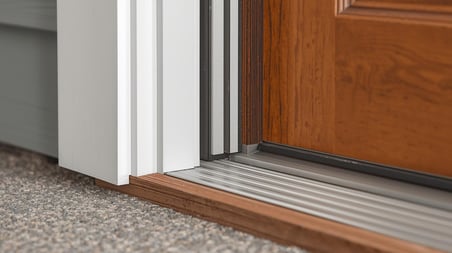 Weatherstripping
Exterior doors work harder in winter than at any other time of year. Even a small gap at the jamb or threshold can cause cold air infiltration that homeowners feel immediately. We check alignment, adjust hinges, install upgraded weatherstripping, and replace worn door sweeps. If your door is older or warped, we can also discuss replacements that maintain energy performance and add curb appeal.
Drafts often come from the framing around windows and doors, not the windows themselves. Shifts in older framing, missing insulation, or outdated trim work can all contribute to cold spots. We shore up framing, adjust or replace casing, and ensure the trim assembly is properly sealed. These improvements help reduce drafts and protect the surrounding structure from winter moisture.
Outdoor structures face intense conditions from November through March. Loose boards, compromised railings, and settling can worsen when snow, ice, and freeze thaw cycles hit. We perform safety checks, tighten fasteners, reinforce framing, and recommend small repairs that prevent bigger issues later.
For ongoing outdoor safety, see our related guide: Minnesota Summer Deck Safety Checklist.
Want to get ahead of winter with simple home upgrades?
Request a free consultation.jpg?width=330&height=185&name=Proper%20carpentry%20preparation%20ensures%20insulation%20performs%20effectively%20once%20installed%20by%20the%20appropriate%20licensed%20professional.%20(1).jpg) Basements are naturally colder and more prone to moisture, making them a weak point in winter. We address carpentry-related improvements, such as framing adjustments, rigid foam backing support, and sealing rim joist areas where drafts often occur. Proper carpentry preparation ensures insulation performs effectively once installed by the appropriate licensed professional.
Basements are naturally colder and more prone to moisture, making them a weak point in winter. We address carpentry-related improvements, such as framing adjustments, rigid foam backing support, and sealing rim joist areas where drafts often occur. Proper carpentry preparation ensures insulation performs effectively once installed by the appropriate licensed professional.
The U.S. Department of Energy offers detailed guidance on why sealing and framing prep matter before insulating.
Minnesota winters bring snow that melts quickly when tracked inside. Leaking thresholds, loose trim, and older woodwork can absorb moisture, leading to long-term damage. We inspect vulnerable areas and repair or replace the most susceptible components. These minor fixes protect your flooring, subfloor, and wall framing from winter wear.
Quality winter preparation goes beyond DIY weatherstripping. A licensed carpenter understands how homes move with the seasons, how materials behave in cold weather, and where structural weaknesses can develop. By addressing the details now, you prevent costly repairs later and enjoy a noticeable improvement in comfort all winter long.
Home Visions Carpentry serves homeowners across Minneapolis, Saint Paul, and the northwest suburbs with thoughtful, detail-driven carpentry upgrades. We help your home stay warmer, safer, and better prepared for the long season ahead.
Let’s get your home ready for winter the easy way.
Schedule your free home visitTrim sealing, door adjustments, threshold repairs, framing fixes, and deck safety improvements make the most significant difference in comfort and durability.
Yes. Many drafts come from gaps around trim and framing. Sealing and adjusting these areas noticeably improves comfort.
Early fall is ideal, giving time to make repairs before temperatures drop and snow begins to accumulate.
No. We focus on carpentry-related improvements only. But we prepare areas so licensed HVAC or insulation contractors can complete their work properly.
Discover the average home renovation timeline for Twin Cities homeowners. Learn what to expect at every stage—from planning to final walkthrough—so...
Planning for aging in place or mobility access? Learn how to remodel for accessibility with trusted contractors in Minnesota. Explore the top...
Thinking about remodeling your Minnesota home? Learn what most homeowners wish they knew before starting, from timing and permits to budgeting and...